Exploring the Risks of E-cigarette Poisonings in Children
As the popularity of electronic cigarettes continues to rise, public health experts have grown increasingly concerned about e-cigarette poisonings in children. This issue demands urgent attention due to the unique vulnerabilities younger populations face. The concentrated liquid nicotine found in many vaping products, combined with enticing flavors and colorful packaging, presents a particular hazard for small children who may accidentally ingest or be exposed to these substances.
What Makes E-cigarettes Dangerous for Children?
E-cigarette liquids, often referred to as e-liquids or vape juice, contain nicotine at potentially toxic concentrations. Even a small quantity—sometimes less than a teaspoon—can pose serious health threats for a child, including vomiting, increased heart rate, seizures, and in rare cases, death. Nicotine poisoning from e-cigarettes in children has been documented globally, with thousands of cases reported annually. These incidents often result from children accidentally swallowing or handling e-liquids, leading to symptoms that can develop quickly and require immediate medical attention.
Popular Flavors and Packaging: A Hidden Risk
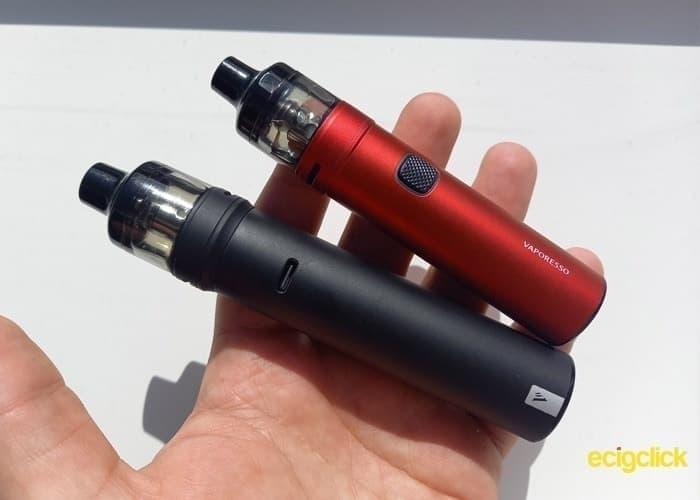
Manufacturers frequently market e-liquids with appealing flavors such as candy, fruit, and dessert, paired with packaging that can resemble snacks or toys. This design inadvertently attracts children, increasing the likelihood of accidental exposure. Studies indicate that children may mistake the containers for something edible, leading to e-cigarette poisoning incidents across multiple age groups.
How Children Are Accidentally Exposed
- Ingestion: Children may swallow e-liquids found in easily accessible places.
- Dermal Contact: E-liquid spills on the skin can result in absorption and toxicity.
- Inhalation: Although rare, spilled or improperly stored liquids can create fumes that children breathe in.

Symptoms to Watch For
Knowing the signs of nicotine poisoning can make a critical difference in outcomes. Common symptoms include:
Vomiting, abdominal pain, rapid heart rate, dizziness, difficulty breathing, and in severe cases, seizures. Promptly recognizing these signs and seeking immediate medical assistance is essential to protect a child’s health.
Preventing E-cigarette Poisoning in Children: Practical Steps
- Store e-cigarettes and e-liquids out of reach: Keeping products locked away or in high cabinets can drastically reduce risk.
- Use child-resistant packaging: Only purchase products that come with safety caps and packaging specifically designed to prevent access by children.
- Educate family members and caregivers: Ensure that everyone who spends time around your children is aware of the dangers and proper storage procedures.
- Dispose responsibly: Used cartridges, bottles, or containers should be disposed of securely, ensuring residual nicotine doesn’t pose a risk.
- Read labels carefully: Understanding the nicotine content and associated risks can help you choose safer options.
Public awareness campaigns concerning e-cigarette poisonings in children have increased, aiming to inform parents, schools, and community organizations about best practices. Despite warning labels and regulatory efforts, the number of poisoning incidents persists, especially as new vaping products enter the market.
Role of Pediatricians and Schools
Pediatricians are on the front line, educating parents and caregivers about the dangers of e-cigarette products. Schools can contribute by disseminating materials on the risks associated with nicotine poisoning, especially during health classes or parent meetings. Coordinating with healthcare providers can assure that any suspected poisoning case receives prompt attention and follow-up.
Regulatory Efforts and Safety Standards
Government agencies have responded to the rise in e-cigarette poisonings in children by implementing stricter packaging and labeling requirements. The enforcement of child-resistant caps, clear warning labels, and detailed instructions—particularly around product storage and disposal—has proven effective in some regions. However, availability of unregulated products through online or informal channels remains a concern.
Emerging Technologies: Safer Designs?
Manufacturers are exploring technologies such as tamper-proof packaging and advanced locking mechanisms to further limit child access. While these innovations show promise, ongoing parental vigilance is irreplaceable in preventing accidental exposures.
What To Do in Case of Accidental Poisoning
If you suspect a child has ingested or been exposed to e-cigarette liquid, act swiftly:
- Contact emergency services or poison control immediately.
- Avoid inducing vomiting unless directed by medical professionals.
- Provide information about the product and estimated amount ingested.
- Monitor for worsening symptoms and follow healthcare advice closely.
Exposure Trends and Long-term Considerations
Recent trends indicate that the number of e-cigarette-related poisonings in children has risen in countries with increased vaping product availability. Research continues to examine the long-term effects of early nicotine exposure, including impacts on neurodevelopment and behavior. As understanding evolves, so must public health initiatives and parental involvement.
Advocacy and Continued Education

Community organizations, health practitioners, and policy-makers must collaborate to spread awareness, improve safety features, and ensure robust reporting systems for potential incidents. Investing in education and preventive measures is critical as vaping products become more entrenched in society.
Conclusion: Vigilance and Prevention Make the Difference
Recognizing the dangers posed by e-cigarette products in homes and public spaces is essential. Vigilant storage, responsible use, and sustained education efforts can minimize the risk of e-cigarette poisonings in children. By supporting improved safety standards and advocating for continued research and awareness, families and communities play a pivotal role in prevention.
Frequently Asked Questions About E-cigarette Exposure in Children
- What should I do if my child accidentally ingests e-liquid?
- Immediately contact poison control or seek emergency medical care. Do not try to make your child vomit unless instructed by medical professionals.
- How much e-liquid is considered dangerous for kids?
- Even a small amount can be toxic. As little as one milliliter of concentrated nicotine solution may cause severe symptoms in children.
- Are nicotine-free e-liquids safe for children?
- While nicotine-free products remove one major risk, flavored chemicals and additives may still be harmful if ingested. All vaping-related items should be treated as hazardous and kept away from children’s reach.
By prioritizing safety and staying informed, you can protect children from potential hazards associated with e-cigarette products.